I’ve spoken a lot about the benefits of Helix, our AI skills intelligence platform, for understanding and developing workplace skills. But I've been thinking about another opportunity: how AI can help organisations improve the quality and consistency of the training they deliver.
Whether you're an internal L&D team or an external training provider, delivering high-quality learning experiences is only part of the challenge. Understanding how consistently those experiences are delivered, and where trainers and facilitators can improve, is equally important.
Training Quality Assurance has traditionally relied on manual observations, occasional reviews and participant feedback. These approaches still have value, but they only provide a snapshot of what's happening.
So how can we give organisations greater visibility into training delivery without adding more administration or fundamentally changing the way they work?
That's where I believe AI plays a significant role.
Great training deserves better visibility
At 5app, we built Helix with one clear belief: understanding skills and behaviours shouldn't depend on occasional observations or manual assessments.
Many organisations already run high-quality training programmes, from coaching frameworks and leadership pathways to remote and in-person workshops. But even with experienced trainers and well-designed content, maintaining consistent delivery standards can be difficult.
Whether you're managing an internal team of trainers or delivering programmes across multiple clients, there are some fundamental questions that aren't always easy to answer:
- Are trainers consistently demonstrating the skills and behaviours expected of them?
- Where are the opportunities to improve individual performance?
- How can we provide meaningful feedback without manually reviewing every session?
In other words, the programmes may be strong, but the visibility into delivery quality is often limited.
Helix helps close that gap. By analysing training conversations against defined skills and behaviours, it provides insights that help organisations understand performance, identify development opportunities and support ongoing improvement.
And importantly, it does this without replacing the training programmes or QA processes already in place.
Built to fit around your programmes
Instead of forcing organisations to redesign their training programmes or introduce entirely new QA processes, Helix allows you to:
- Define and assess custom skills aligned to your training standards and delivery expectations
- Analyse training conversations to identify strengths and opportunities for improvement
- Provide trainers and facilitators with personalised feedback to support continuous development
The result is a more consistent approach to Training Quality Assurance, with greater visibility into delivery quality and more opportunities to improve over time.
Consistency at scale, without the manual overhead
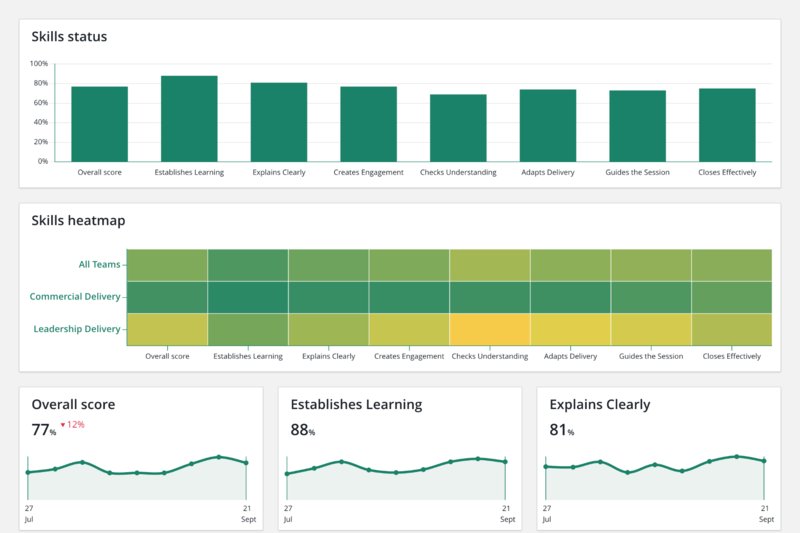
One of the biggest challenges with traditional Training Quality Assurance is scalability.
Observing training sessions, reviewing recordings and providing individual feedback takes time. And as training delivery expands across teams, locations or clients, maintaining the same level of oversight becomes increasingly difficult.
For internal L&D teams, that can mean limited visibility into how consistently training is delivered across the organisation. For external training providers, it can make demonstrating consistent quality across multiple trainers and client programmes particularly challenging.
Helix offers a different approach.
By assessing training conversations against a consistent set of skills and behaviours, organisations can better see delivery quality without relying solely on manual observation.
This doesn't mean removing human judgement from the process. It means giving L&D leaders, QA managers, and training providers more information so they can focus their attention where it matters most.
Turning feedback into faster improvement
.png?width=1920&height=1080&name=Helix%20-%20Zoom%20Meeting%20(1).png)
Identifying opportunities for improvement is only valuable if organisations can act on them.
Traditional QA processes often involve a delay between observing a training session, reviewing performance and providing feedback. By the time that feedback reaches the trainer, the opportunity for immediate reflection may have passed.
Helix helps accelerate this process by analysing skills and behaviours demonstrated during training conversations and surfacing personalised feedback.
Trainers can better understand where they're performing well, which skills need attention and how they can continue developing.
For managers and QA teams, this creates an opportunity to move beyond occasional performance reviews towards more regular, informed coaching and development.
It's not about replacing the experience or judgement of training professionals. It's about giving them better information, sooner, so they can continue improving what they already do.
Better visibility, stronger training outcomes
There's also a broader opportunity here.
Training Quality Assurance shouldn't simply be about identifying whether someone has met a particular standard. It should help organisations understand how training delivery can improve over time.
For internal L&D teams, that means having greater confidence in the consistency of training delivered across the organisation, and better information to guide trainer development.
For external training providers, it creates an opportunity to demonstrate a more structured, evidence-informed approach to quality, while supporting trainers working across different clients and programmes.
In both cases, the objective is the same: to make quality improvement an ongoing part of training delivery rather than a periodic exercise.
Better visibility doesn't automatically guarantee better learning outcomes. But it gives organisations a stronger foundation to understand delivery quality and make informed improvements.
Getting started without changing how you deliver training
We've designed Helix to work alongside existing training programmes and processes, not require organisations to start over.
The approach is straightforward:
- Define – Identify the skills and behaviours that matter most to your training delivery standards.
- Connect – Configure Helix to analyse relevant training conversations against those skills.
- Understand – Review insights into individual strengths, development opportunities and consistency across delivery.
- Improve – Use personalised feedback and ongoing insights to support trainer development.
And as your requirements evolve, your approach to assessing skills can evolve with them.
We've already made improvements to Helix based on direct customer feedback, including giving organisations greater control over how skills feedback is displayed, with or without scores and detailed feedback.
Our role isn't to take over your Training Quality Assurance processes. It's to help you make them more consistent, scalable and effective.
The next step for Training Quality Assurance
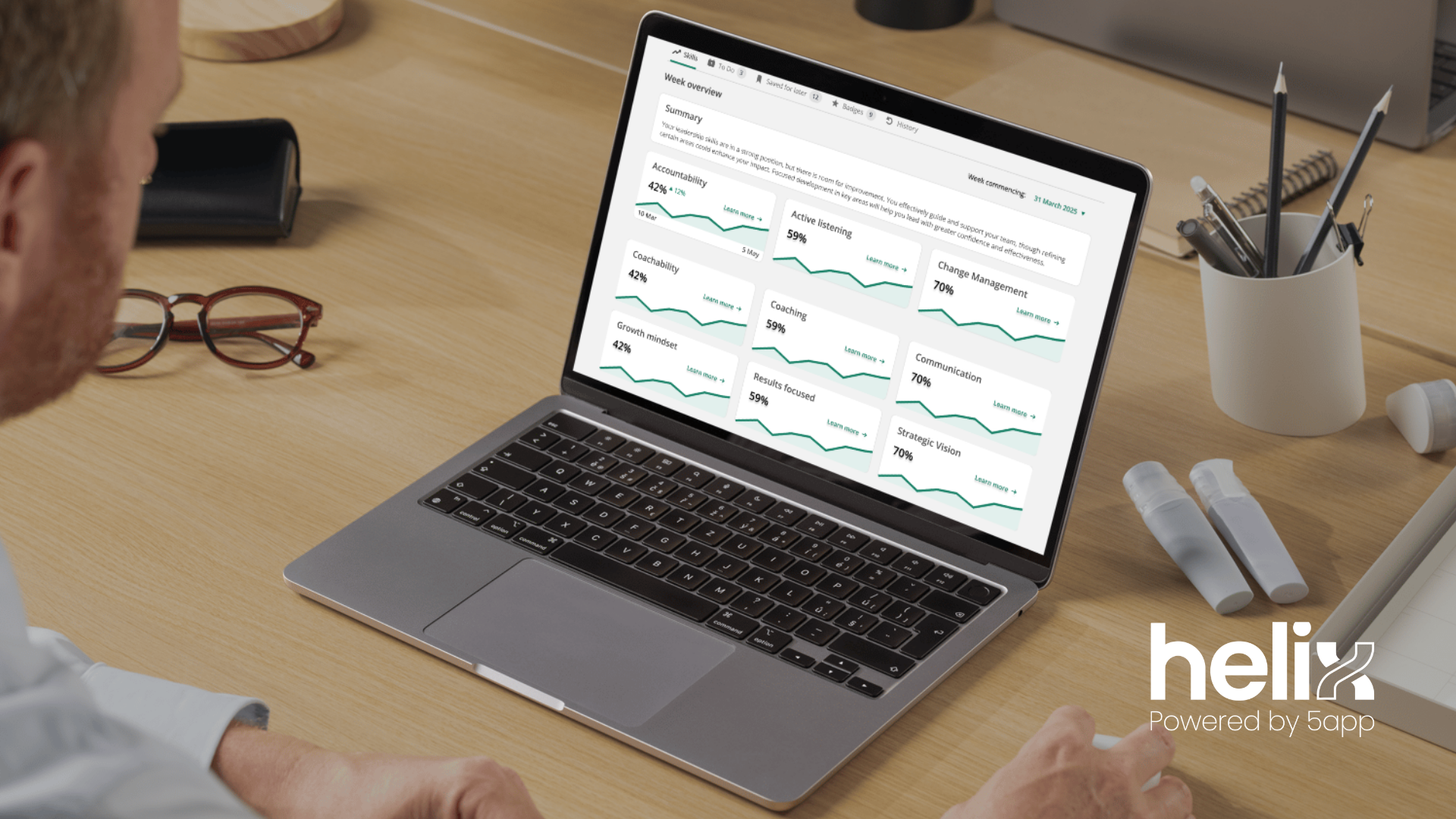
I believe the future of Training Quality Assurance is one where organisations have greater visibility into how training is delivered, and trainers have more opportunities to improve through regular, meaningful feedback.
That doesn't mean replacing experienced QA professionals, established training programmes or the human relationships that make learning effective.
It means enhancing what already works.
Whether you're an internal L&D leader responsible for training standards or an external provider looking to demonstrate consistent quality across your programmes, Helix offers a practical way to take that next step.